IBTC 2026
Preview keynotes, breakout sessions & speakers
Keynote 1, 10.00-10.45, Main Room
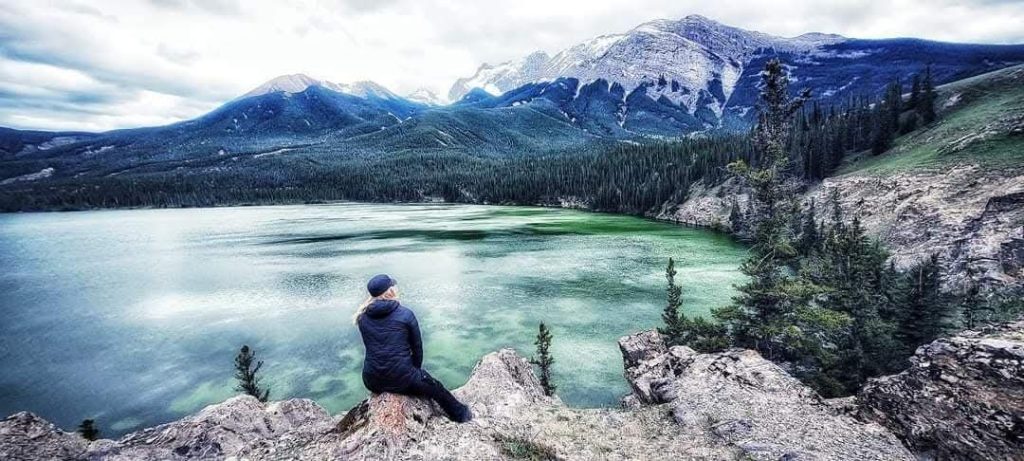
Exploring the unbeaten tracks
How do you get the most out of your nature experience? And how can we do that without nature paying the price? It all starts with choosing the right trail… but how do you do that?
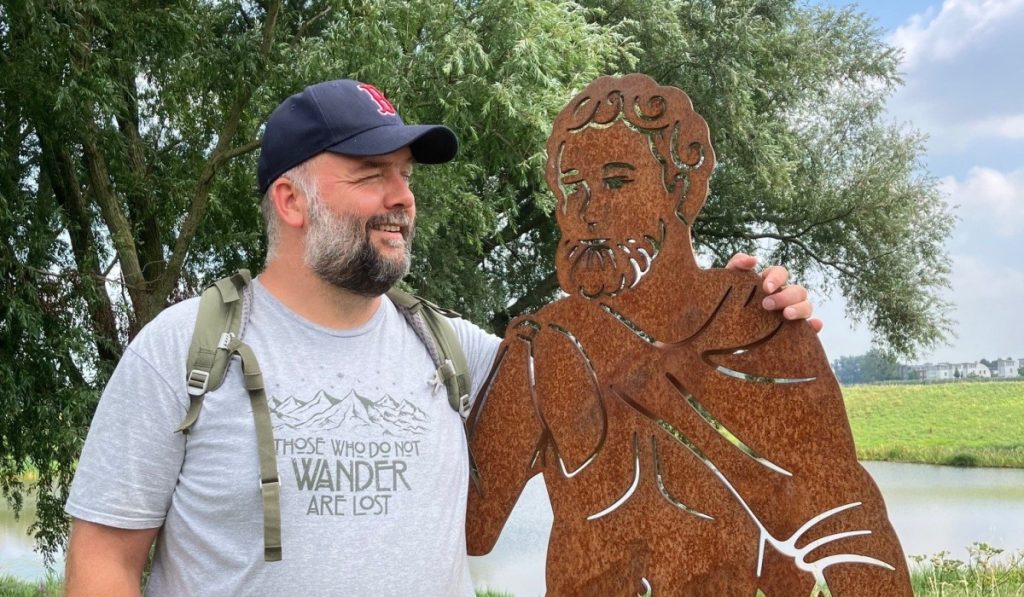
At IBTC 2026, I’ll associate hiking with exploring the unbeaten tracks instead of bucket list trails: I’ll take you on my personal hiking path, showing not only how life on trails shifts perspective, but also how we can shift our perspective on trails. Let’s combine the outdoors with science. What motivates hikers in their choice of a route, and how can we influence this? How can hikers choose a trail that aligns with their own preferences, goals and values… to get the most out of a trek, making nature safer for both wildlife and hikers.
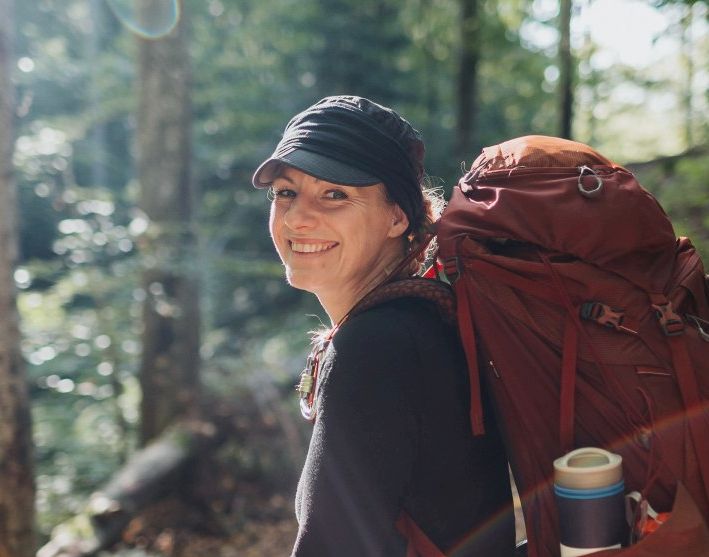
Shanna Bussink – Rayu
Professional hiker, wilderness guide
Wilderness guide, bear viewing guide, studied literature, health, psychology and motivation, but the most valuable lessons emerged from more than a decade of hiking solo in the wilderness on both popular and remote hiking trails.
Under my trail name Rayu, I prepare hikers physically and mentally for their multiple day trekking – to hike the best trek of their life, and to increase growth and safety, for hikers, nature & wildlife.
Breakout 1, 11.00-11.45, Main Room
Rerouting in action
The MONA project aims to promote sustainable tourism in natural areas. This is achieved through smart solutions for visitor management, route planning, and behavioral nudging. The focus is on improving the quality of the walking network rather than expanding it, and on distributing visitors through new (virtual) walking areas and better links between routes, trailheads, and public transport.
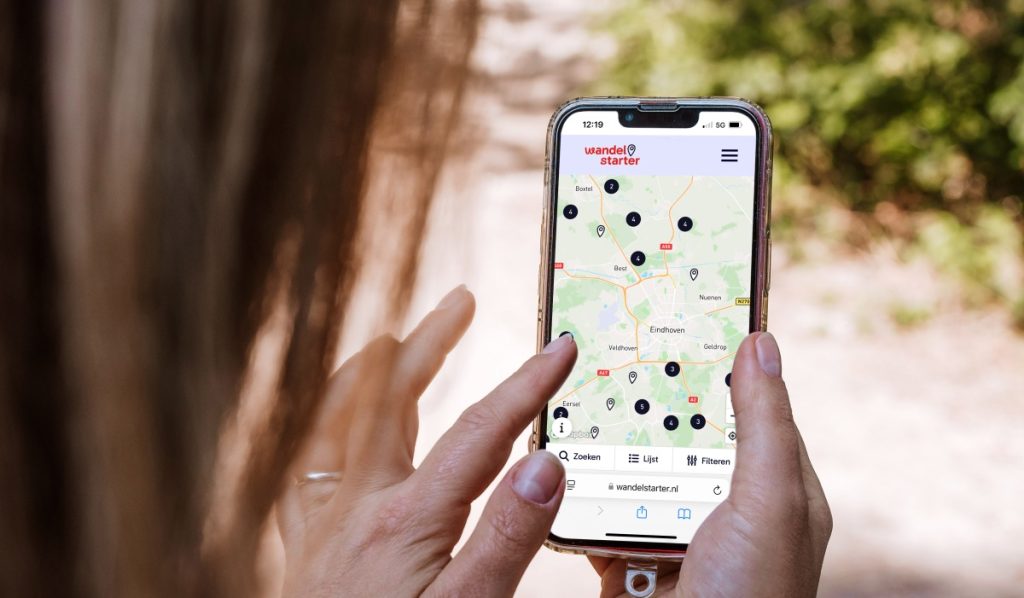
Brabant Partners: The Wandelstarter approach
Wandelstarter, a digital platform developed by Brabant Partners as part of this project, plays a central role in enhancing the visitor experience and relieving pressure on nature areas by offering walking routes, real-time data, and promoting sustainable mobility, such as public transportation and reducing car traffic. Furthermore, Wandelstarter is also a strategy employed to reduce the pressure on popular walking areas, create smarter visitor flows, and encourage sustainable transport alternatives in nature areas.
Tourism province of Antwerp: quality > quantity
Tourism province of Antwerp believes that improving the quality instead of only focusing on quantity is worth it, though it’s not always the most easy option and stakeholder management is key when implementing changes with a big impact. The current +4500 km of hiking node network in the province of Antwerp has been screened on safety, accessibility and attractivity and will be reshaped into a combination of physical node network, virtual node network and hiking loops to enlarge the hiking possibilities in our area, while also helping with spreading and accessibility.
Last part of session: roundtable overtourism
Fabio Tat
Manager Routebureau Brabant and Leadpartner MONA Project
As coordinator of Routebureau Brabant (part of Brabant Partners), I work on developing Brabant as the route province of the Netherlands. We maintain, develop, and promote 20,000 kilometers of signposted routes. These routes are not a goal in themselves but a mean to achieve different societal goals, for example in the European MONA project, as leadpartner of this project I work on reducing pressure on nature while improving accessibility.
Koenraad Pierre
Director Tourism province of Antwerp and project partner MONA Project
As director of the Tourism department of the province of Antwerp, I work together with a team of +30 tourism experts. Together we manage +4500km hiking and +2000 km cycling node network in our province, and make products and promotion for visitors to come experience our region. Next to that we focus on inclusivity, collaboration with stakeholders, work closely with our municipalities and expand our data monitoring capacities every year. One of our key values is working towards a balance between visitors, entrepreneurs and residents out of respect for the soul of the place, adding value to everyone involved.
Breakout 1, 11.00-11.45, Hicle room I (2.38)
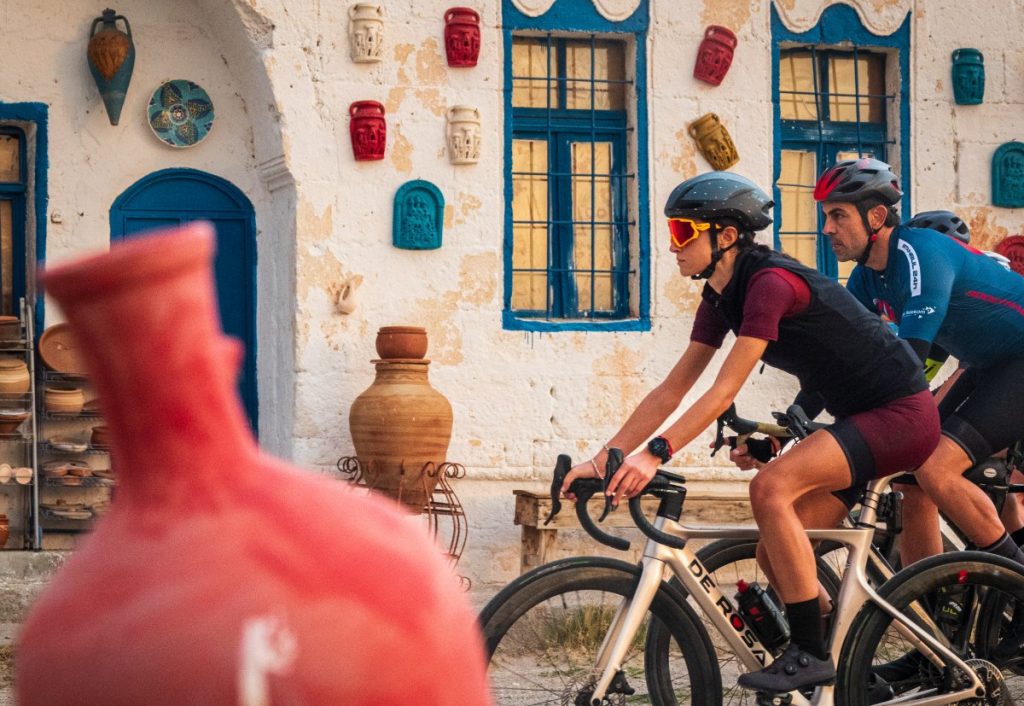
From trends to sustainable systems: Turkish lessons from cycling & trail tourism
Cycling and trail tourism trends are widely discussed, but translating them into self-sustainable, locally rooted systems remains a challenge for many destinations. In this session, Loek Luijbregts shares practical lessons from hands-on projects in Türkiye, where internationally appealing cycling and trail experiences were developed, tested and activated in real conditions.
Rather than focusing on short-term campaigns or isolated trends, the presentation explores how destinations can move from inspiration to durable systems: routes that are actually used, stories grounded in lived experience, and partnerships that support long-term value creation for local communities, visitors and ecosystems. Attendees will gain concrete insights into how cycling and trail tourism can strengthen destination positioning, repeat visitation and resilient tourism development.
Note: the presentation about the Ziltepad has been cancelled due to personal circumstances of the speaker.
Loek Luijbregts
Founder, DMO Consultant and Active Tourism Systems Designer at Cycling Incubators
Loek Luijbregts works at the intersection of self-sustainable destination development, storytelling and strategic marketing activations. He guides destinations and organisations on building sustainable, experience-driven tourism systems rooted in real use, local culture and long-term value creation. Loek has led cycling and trail tourism projects across Europe and beyond, including multiple campaigns in Türkiye.
Keynote 2, 13.30-14.15, Main Room
Regenerative tourism – rethinking and rerouting travel
This presentation explores how regenerative tourism experiences, co-created with local stakeholders contribute to sustainable destination development and regional identity. By exploring examples from Huesca, Lapland, Lausitz and Flanders the story will demonstrate how cycling & hiking tourism cannot only reroute tourist behaviour but also reroot local collaboration in restorative tourism practices. The session offers a rich blend of practice and theory, grounded in regenerative tourism and sustainable experience design.
Bert Smit
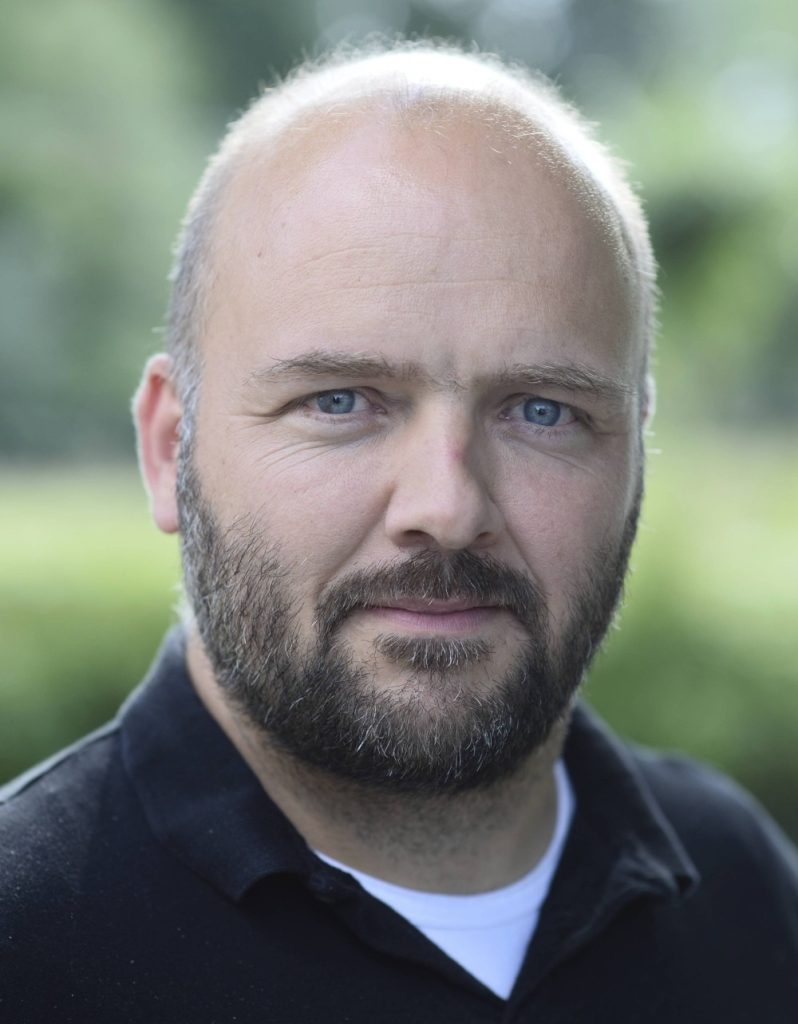
Senior consultant Sustainable Tourism Development at Ginder consultants and Extraordinary Professor Van Gogh Homeland at Breda University of Applied Sciences
Bert Smit is an expert in designing tourism for regional sustainable development. His PhD research at the University of Surrey focussed on participatory methods for co-designing cultural tourism experiences in Spain, Croatia, Finland, Belgium and the Netherlands. He has published textbooks and academic papers on (the challenges of) sustainable experience design. In his current work at Ginder Consultants he uses this knowledge about stakeholder participation to develop strategies and development plans for local and regional regenerative tourism. In his free time Bert is a hiker that enjoys passing through all kinds of landscapes on the route from one place to the next.
Breakout 2, 14.30-15.15, Main Room
France: key success factors in cycling strategy
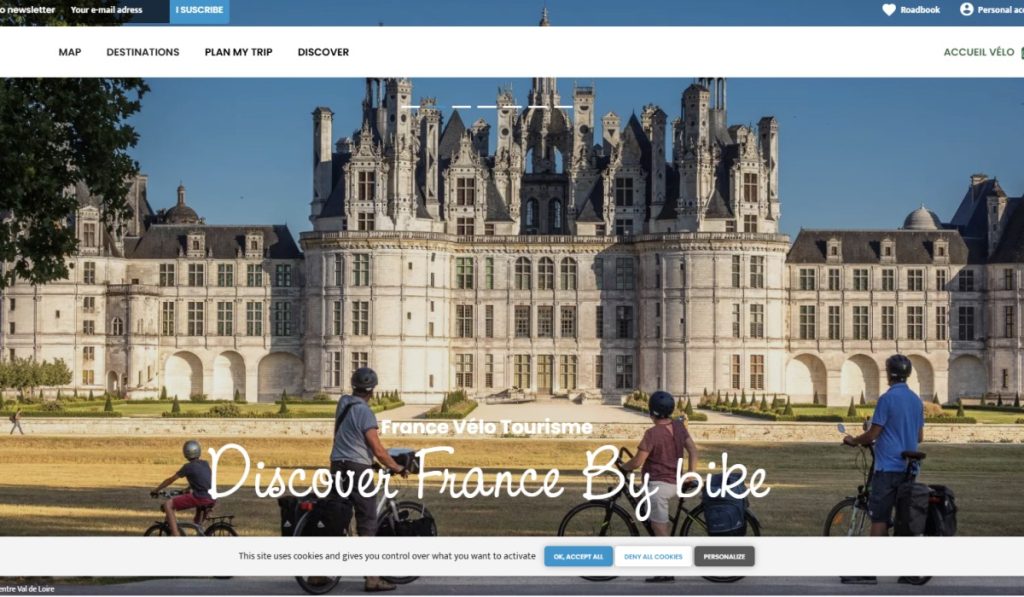
France, home of the Tour de France, wants to increase its focus on cycling tourism. A national scheme of cycle routes and greenways, variety of heritage sites, landscape and climate, a national brand for cyclist friendly service, a wide range of cycling routes: from family dedicated to mountain and gravel biking trails : all the ingredients are there to make France a major cycling tourism destination. The challenge was to get the many public and private tourism stakeholders to work together to promote France as a destination, even though they were previously unaware of each other and even competed with each other. This required a change in mindset to create a shared collective dynamic, to build trust, to co-finance the development of a website, shared marketing activities and shared press relations. A presentation of the key success factors, actual achievements and next steps.
Last part of session: roundtable cycling strategy
Karine Dupuy
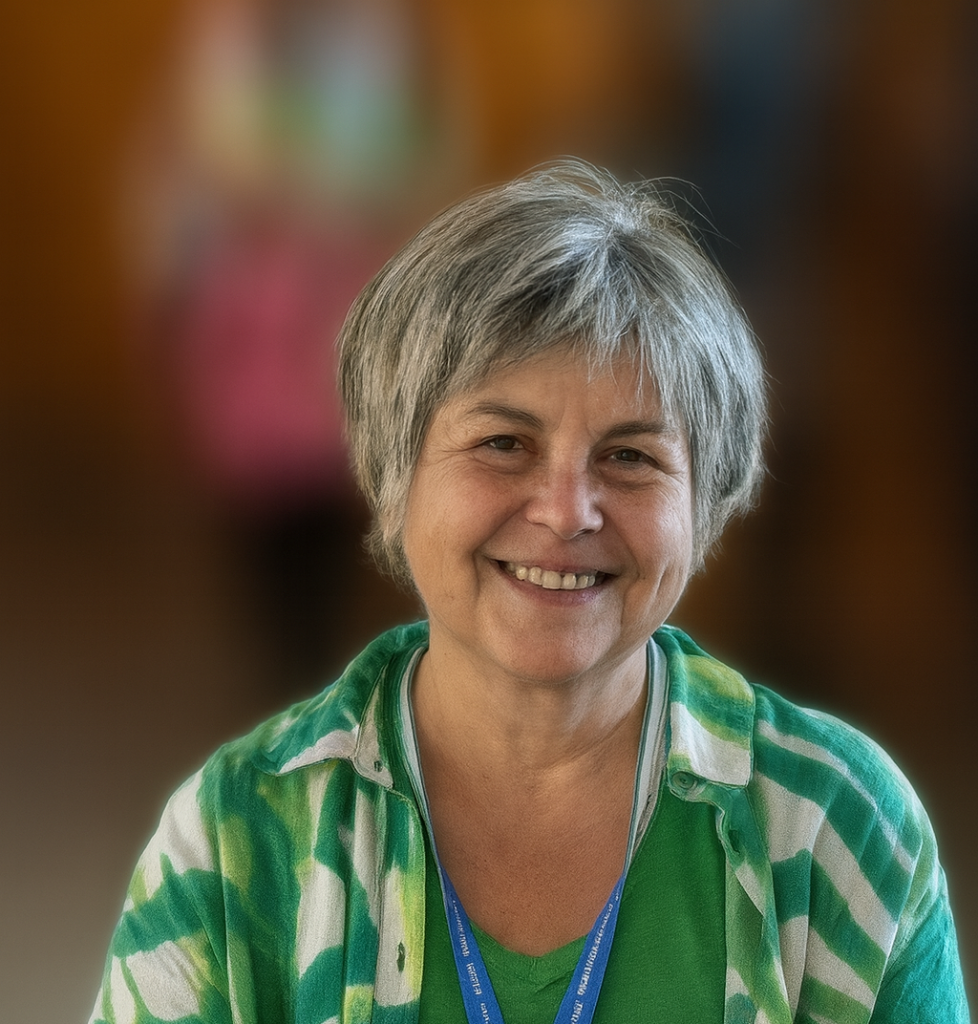
France Vélo Tourisme director and EuroVelo Council member
As a geographer with a postgraduate degree in management, I chose to support regional development and cohesion initiatives bringing together public and private stakeholders. After starting my career in tourism in Brittany, I went on to manage a national tourism federation and then worked as a consultant in local and national design offices. Convinced of and committed to sustainable regional development, I joined France Vélo Tourisme three years ago to drive the ambition of becoming the flagship for France as a cycling destination.
Breakout 2, 14.30-15.15, Hicle room I (2.38)
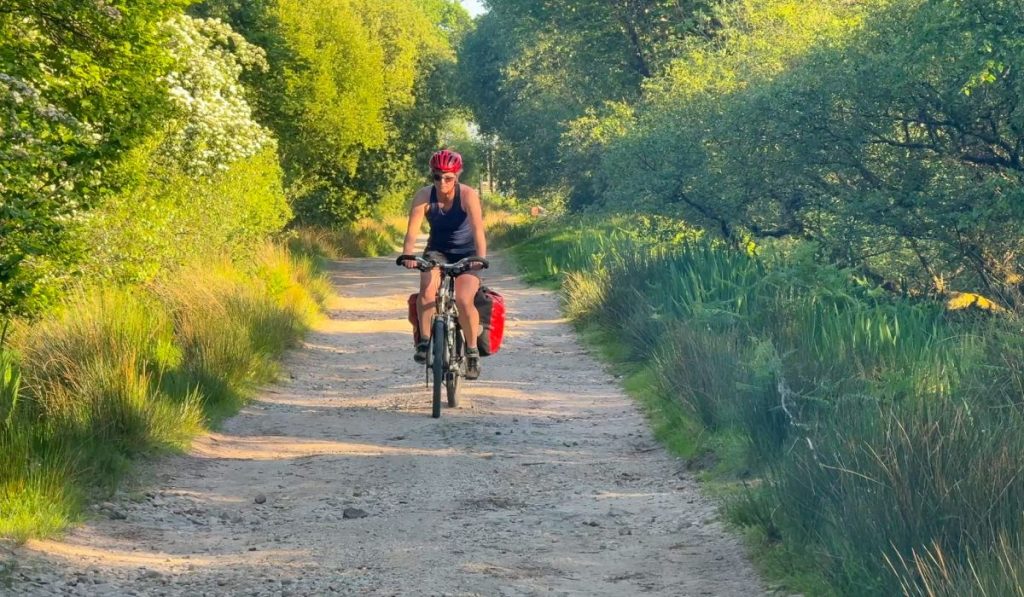
From hidden to must-ride: putting emerging cycling destinations and routes on the map
How do you attract cyclists to a destination – or a route – that few people have heard of?
For many destinations, limited budgets, stiff competition from iconic cycling hotspots, and an increasingly crowded digital landscape make this a familiar challenge.
In this session, Clare Dewey and Kate Norris of Epic Road Rides reveal how lesser-known destinations and routes can break through the noise and become sought-after cycling experiences. Drawing on eight years spent working with tourist boards, tour operators and cycling-focused businesses, they’ll share actionable strategies that deliver real results.
Expect case studies, tactics, and insider insights to help you elevate your destination’s visibility, appeal and ride-worthy reputation, no matter your starting point.
Last part of session: roundtable marketing routes

Clare Dewey
I’m on a mission to inspire people to go on cycling holidays and I created Epic Road Rides to help achieve this. It’s an award-winning website where we share destinations, routes, tips on bike-friendly places to stay, tours, events and bike hire. Our community of 120,000+ passionate cyclists find us via organic multi-modal search and social media. I was BikeBiz Woman of the Year 2020, in Cycling UK’s 100 Women 2024 and a Travel Media Awards 2025 finalist (photo ©Epic Road Rides)
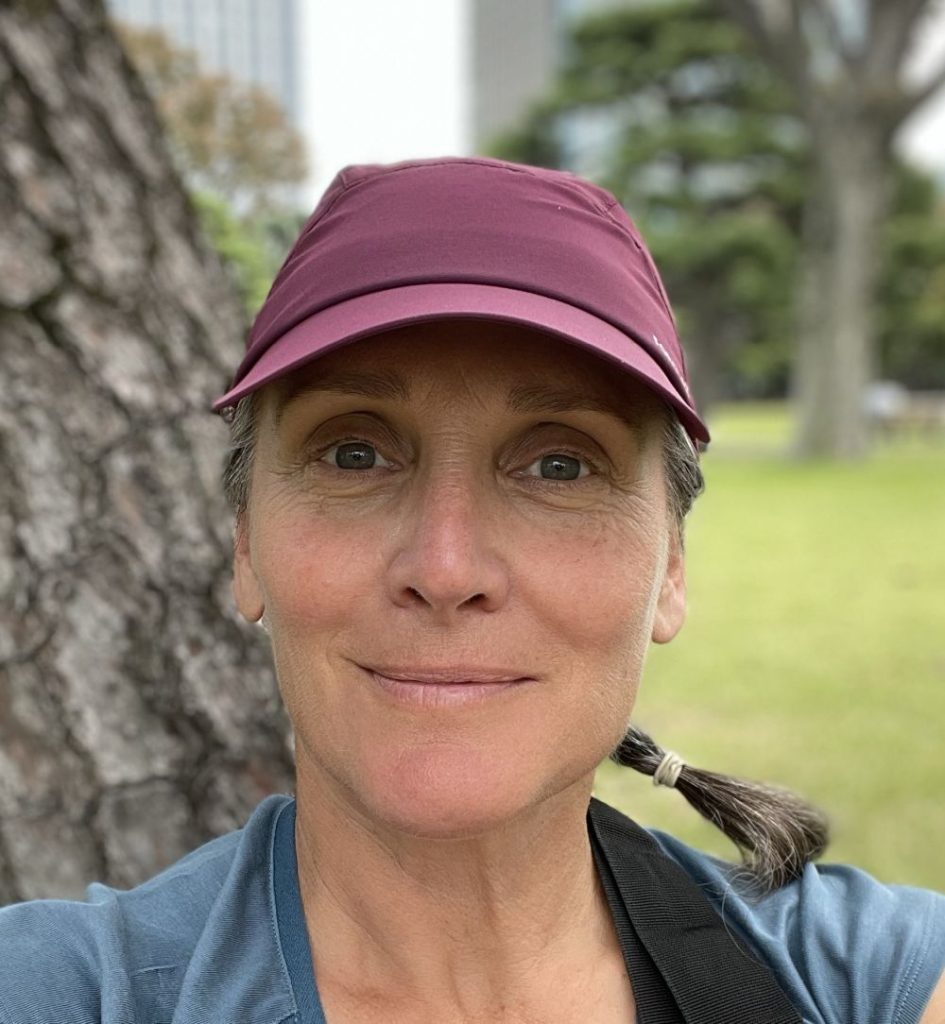
Kate Norris
My travel career has taken me from the ski industry and corporate events to cruise-line operations and, ultimately, cycling travel. Today I split my time between running a major charity bike ride and working with Epic Road Rides, building partnerships with tour operators, tourist boards and bike-friendly accommodation. I’m a passionate cyclist on road, mountain and touring bikes, and love exploring the world on two wheels and sharing that enthusiasm with others.
Breakout 2, 14.30-15.15, Hicle room II (2.41)
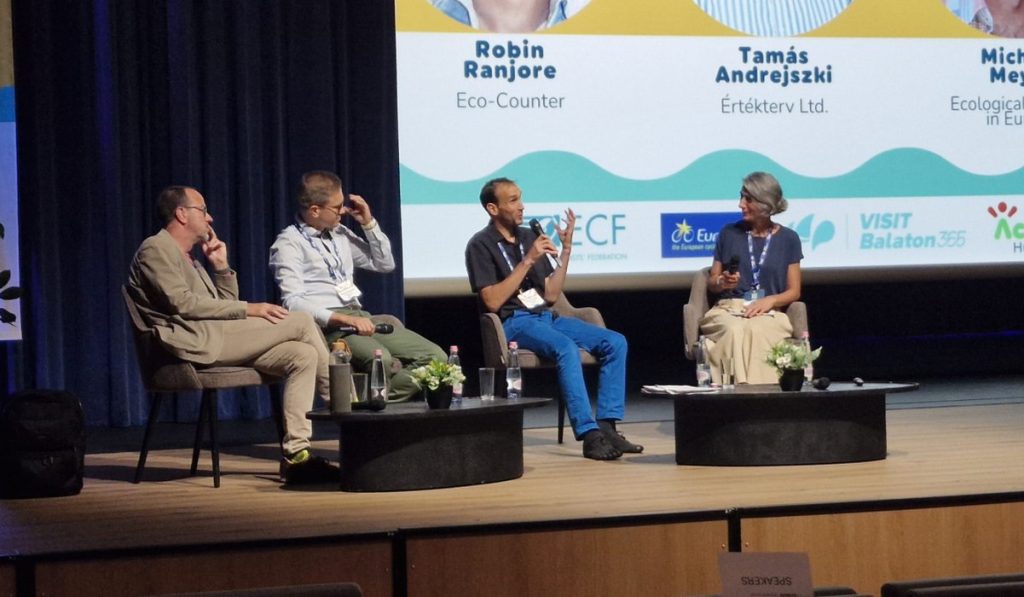
Eco-Counter – Bridging the Data Gap
How Blending Field Counts and Floating Data Can Help Manage Hiking Tourism and Protect Natural Areas
Hiking is booming. Across Europe and beyond, walking trails attract more and more people looking for nature, wellness and adventure. But with popularity comes pressure: trails get overcrowded, fragile ecosystems are impacted, and managers are left with difficult questions – how many visitors? When? Where? What pressure is on which trails?
In this talk, we’ll show how combining reliable ground data with modern floating data (such as GPS traces or mobile signals) can offer powerful insights into hiking activity. Rather than relying on intention or incomplete counts, parks and tourism managers can now get a clear and complete picture of visitor flows.
We’ll share concrete examples from protected areas and regional parks in France and beyond.
This session is designed for non-data specialists: regional tourism professionals, trail managers, park rangers and all those looking to take smarter decisions based on real, usable visitor insights.
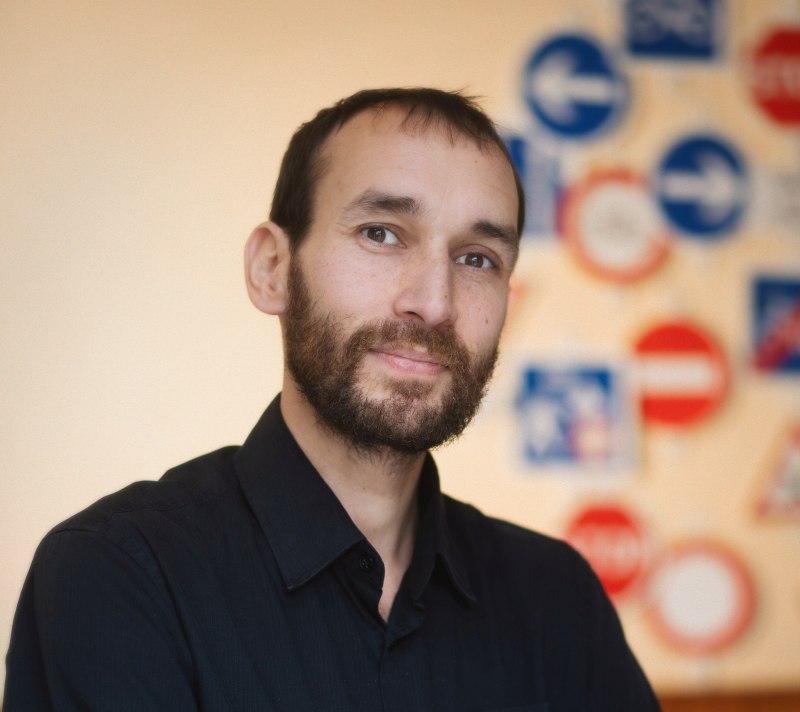
Robin Ranjore
Robin is International Consultant at the French company ECO-COUNTER. He advices local authorities (municipalities, councils, ministers) and bike associations all around the world in their counting strategies for active mobility.
Robin spent 10+ years abroad (Eastern Europe & Asia) working in different industries. Back to France since 2016, he was committed to boost the usage of active mobility and especially cycling. Being an enthusiastic year-round cyclist and former bike instructor, he is in addition to his consultant job, co-founder and member of the board of the Bike Cooperative « La Sonnette » in the city of Redon (Brittany, FRANCE) where he is located.
Breakout 3, 15.30-16.15, Main Room
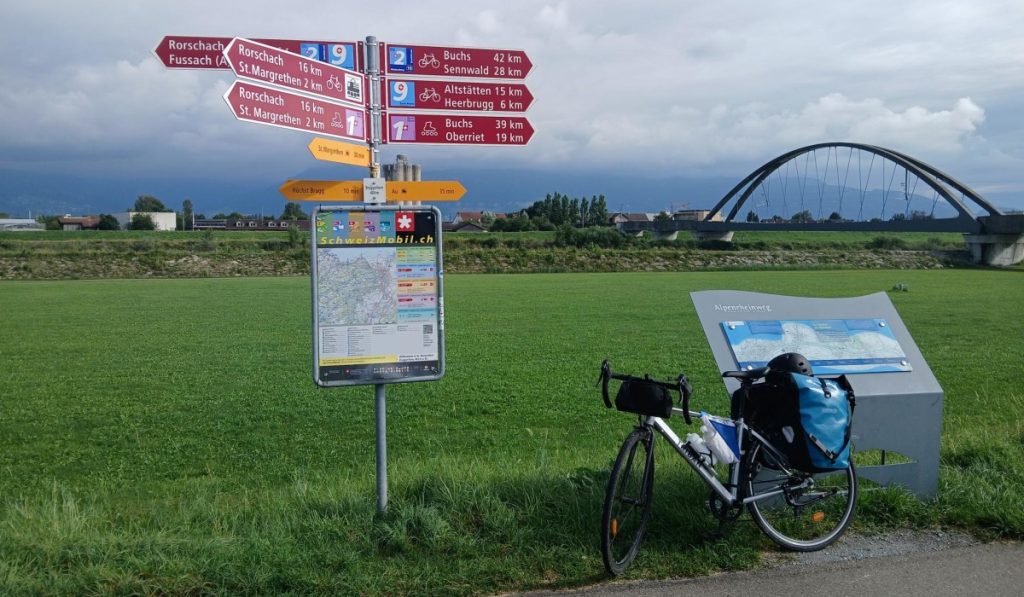
Top trends European cycling tourism
As 2026 kicks off, the EuroVelo and cycling tourism team at the European Cyclists’ Federation (ECF) have been reflecting on the sector’s top trends and will share its views during the session. Covering the public policy, business and community viewpoints, the cycling tourism trends summarise the key concepts for all European cycling tourism professionals. Join this break out to learn more about ECF’s vision of 2026’s top cycling tourism developments and growth trends!
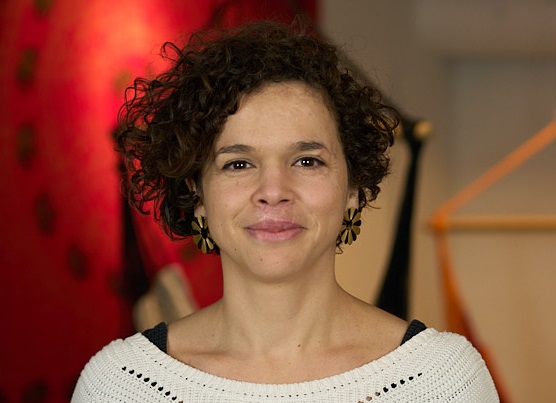
Agathe Daudibon
EuroVelo and Cycling Tourism Director
Agathe Daudibon has been EuroVelo and Cycling Tourism Director at the European Cyclists’ Federation (ECF) since 2022. She is in charge of the transnational coordination of the European cycle route network together with the dedicated team that she leads, and is contributing to ECF’s goal for more and better cycling with a specific focus on cycle route networks and cycling tourism. Before that, she worked on projects management related to cycling and cycling tourism for about 10 years in France. Between 2016 and 2021, she was mainly responsible for cycling itinerary projects, including national EuroVelo routes, and cycling tourism topics at Velo & Territoires. She then joined Cerema – a French governmental expertise centre – working on the AVELO 2 program, which aims to support cycling policies in rural and interurban areas. She is an avid cyclist herself for daily mobility and during her holidays.
Breakout 3, 15.30-16.15, Main Room (combined with top trends European cycling tourism)
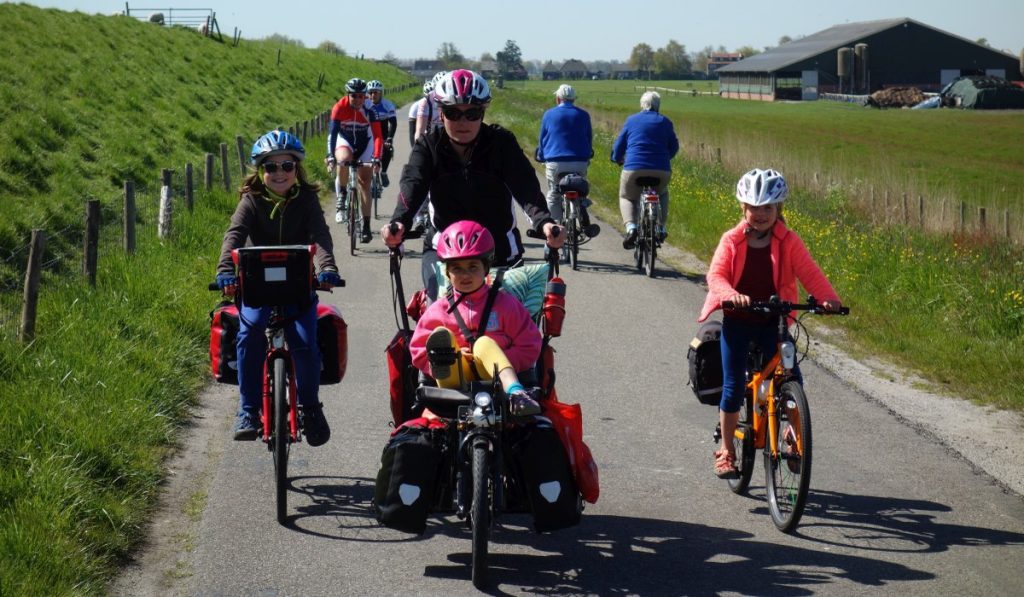
Measuring the use of recreational cycle networks: different ways for different goals. An inventory.
The use of recreational cycle networks varies greatly over time and by location. In the Netherlands, some sections of the network are at times so heavily used that safety becomes a serious concern. Landowners, such as nature conservation organisations, sometimes feel the need to remove popular sections from the network because they say it’s too crowded. Reliable data on network use is essential – not only as evidence to support (or avoid) certain actions, but also as a general basis for maintaining a well-functioning route network.
An inventory was made to provide an up-to-date overview of the different tools available for measuring network use and to clarify what they are (and are not) suitable for. Counting through detection loops on cycle paths is well known and can be useful when you want to measure usage on a specific section of the network. But if you want to understand how cyclists are spreading throughout a region, across time and place, other tools will be necessary.
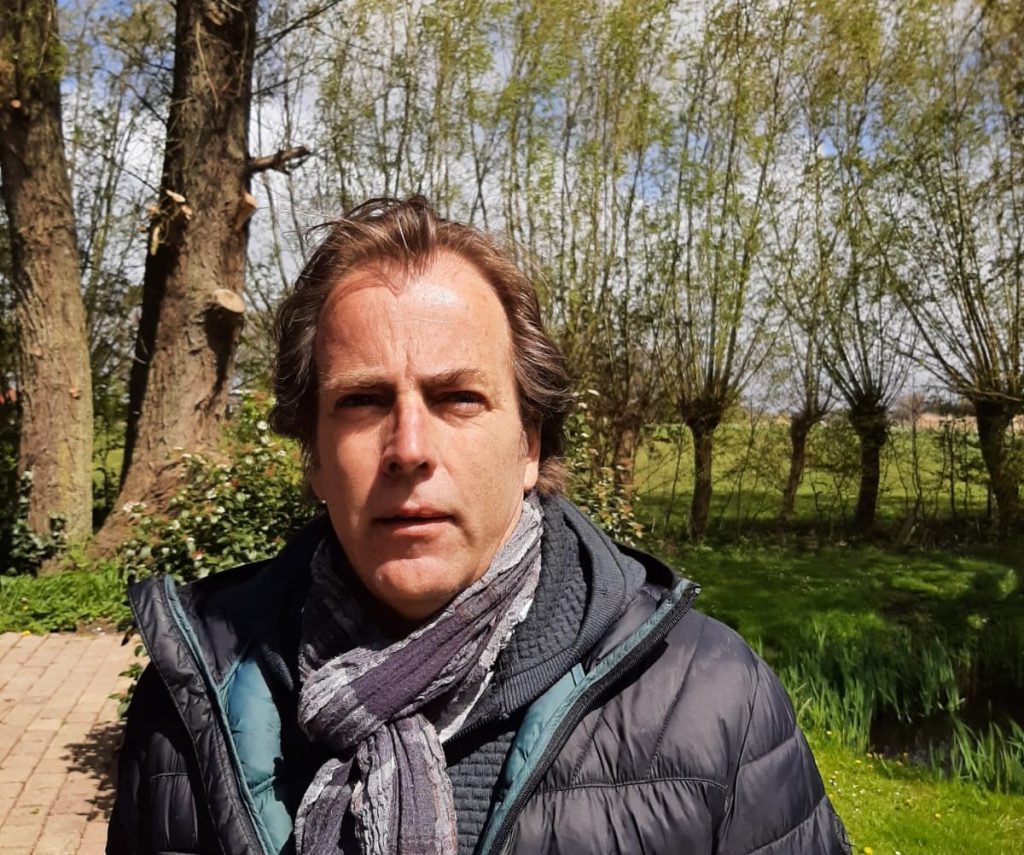
Eric Nijland
Director Fietsplatform (national coordination centre for recreational cycling in the Netherlands)
One of the goals of Fietsplatform is to monitor recreational cycling and cycle tourism in the Netherlands, and to share national and international knowledge and best practices. Fietsplatform is a member of the Dutch Cycling Embassy and the National EuroVelo Coordination Centre (NECC). As director, Eric Nijland is in frequent contact with partner organizations abroad and has given several presentations about the Dutch cycling network.
Breakout 3, 15.30-16.15, Hicle room 1 (2.38)
Building a Safer Future: Youth Engagement and Outdoor Responsibility
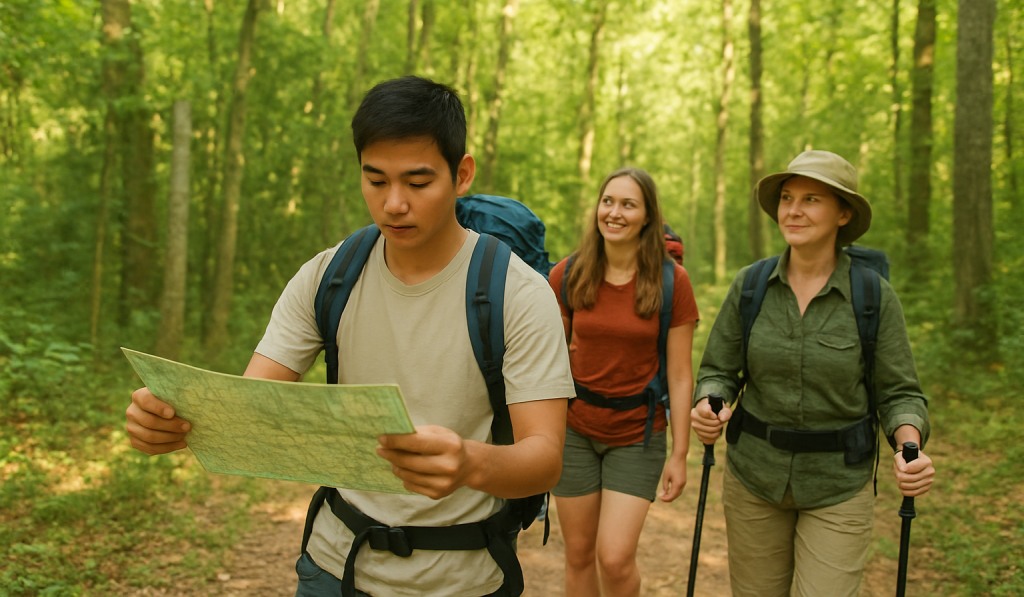
This presentation explores how youth engagement, proper maintenance, and regulatory awareness can build safer and more sustainable outdoor practices. It highlights the shared responsibility between organizations, young participants, and governing entities in promoting a culture of safety and responsibility in nature-based activities.
Rúben Jordão
Vice-president ERA
Rúben is the current 3rd Vice-President of the European Hiking Federation (ERA) and Chairman of the Youth Working Group. With extensive experience in hiking and walking trail management, he serves as National Sports Technician for Hiking and Walking Trails at the Federação de Campismo e Montanhismo de Portugal (FCMP). Rúben has contributed to several key ERA initiatives, including the Waymarking in Europe brochure and the development of the new ERA logo, and is actively involved in multiple working groups. With strong skills in new technologies, IT, and multimedia, he is committed to strengthening ERA’s visibility, modernising its communication, and enhancing engagement with young people across Europe.